Turning a women’s clothing boutique into a brand requires meticulous planning and a professional approach. This process includes many important steps, from defining your target audience to developing your marketing strategies.
To take the first step in your boutique’s branding journey, discover the critical points you need to follow in this article. Learn how your boutique can become a brand with a professional brand-building process.
In this article, we will discuss 5 important steps that will guide you in branding your women’s clothing boutique.
Define Your Target Audience
Defining your target audience is crucial in the branding process of your women’s clothing boutique. Knowing the right audience allows you to shape your marketing strategies and products according to customer needs.
For fashion entrepreneurship, it is essential to understand who your target audience is and what they want. This provides you with a competitive advantage and strengthens your brand.

How to Conduct Target Audience Analysis?
To conduct target audience analysis, you need to collect data about your current and potential customers. Information such as age, gender, income, interests, and habits will support this analysis.
- Collect direct feedback through surveys and interviews with your customers.
- Analyze interactions on your social media and website.
- Utilize market research and industry reports.
| Analysis Method |
Description |
Benefit |
| Surveys and Interviews |
Gather feedback through direct communication with customers. |
Direct understanding of customer needs. |
| Social Media Analysis |
Analyze interactions and customer behavior on social media. |
Provides insights into customer behavior. |
| Market Research |
Utilize industry reports and market research. |
Gain knowledge about market trends. |
Importance of Customer Segmentation
Customer segmentation is the process of dividing your target audience into smaller groups. This allows you to develop marketing strategies tailored to each group’s needs.
When segmenting customers, you can use geographic, demographic, psychographic, and behavioral segmentation methods. This enables you to develop products and campaigns suitable for each segment.
Create Your Brand Identity
In your branding journey, creating a unique brand identity is essential. This identity determines how customers perceive you. You should be meticulous about elements such as logo, color, and slogan.
Logo and Color Selection
Logo and colors are the foundation of your brand. While your logo creates the first impression, colors help establish an emotional connection.
- Your logo should be simple, meaningful, and unique.
- Your color palette should reflect your brand’s personality.

Methods for Developing a Slogan
Your slogan expresses your brand’s mission and values in a concise way. An effective slogan leaves a lasting impression on customers.
| Slogan Feature |
Description |
| Meaningful |
Your slogan should reflect your brand’s mission. |
| Memorable |
Your slogan should be simple and easy to remember. |
| Unique |
Your slogan should differentiate you from competitors. |
Define Your Brand Values
Your brand values form the foundation of your relationship with customers. These values define your brand’s identity and mission.
- Commitment to quality
- Prioritizing customer satisfaction
- Sustainability and environmental awareness
Expand Your Product Range
Expanding your product range is essential for boutique brand transformation. It offers customers more options and increases your sales.
Ways to Follow Trends
Following trends in the fashion world is very important. It helps keep your products current and popular. By following social media and fashion blogs, you can stay updated on the latest trends.
- Explore popular content on social media platforms.
- Follow fashion events and runway shows.
- Analyze customer feedback.
Adding Different Product Categories
Adding different product categories makes your brand more attractive. It helps you gain more customers and retain existing ones.
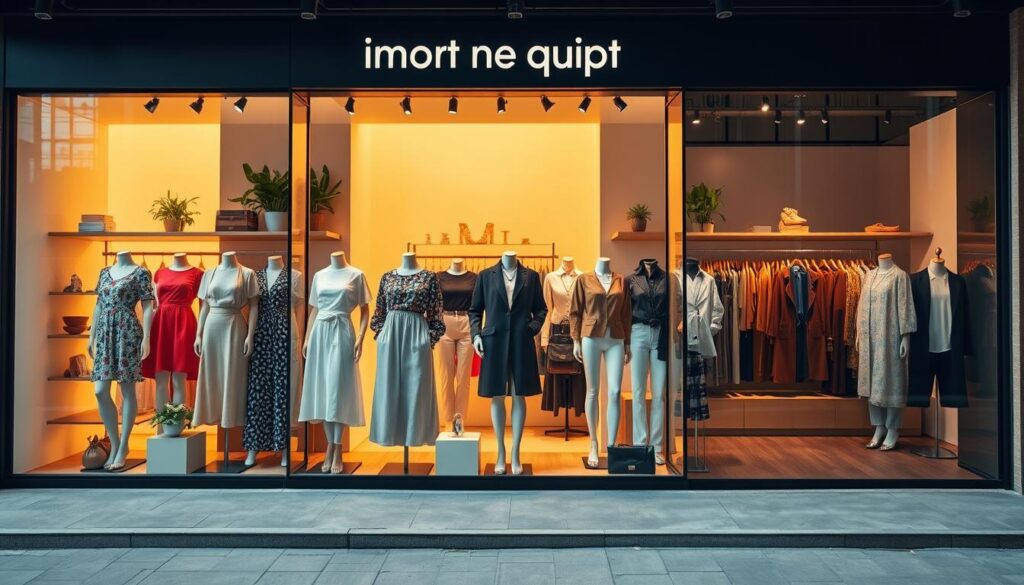
Improving Quality Control Processes
Product quality is critical for customer satisfaction and loyalty. Improving your quality control processes ensures high standards.
For quality control, you can:
- Inspect your products regularly.
- Consider customer feedback.
- Work closely with your suppliers.
Develop Your Marketing Strategies
Today, competition is very high. Therefore, you need strong marketing strategies. Improving your strategies strengthens your brand.
Increasing Social Media Usage
Social media is essential for your brand. It allows you to interact more with customers and increase brand awareness.
- Keep your accounts updated and pay attention to content sharing.
- Use surveys and questions to engage with your audience.
- Reach your target audience through social media ads.
Advertising Methods to Reach Your Target
Choosing the right advertising methods is very important. By testing different channels, you can find the most effective one.
| Advertising Channel |
Effectiveness |
Cost |
| Social Media Ads |
High |
Low – Medium |
| Google Ads |
High |
Medium – High |
| TV Ads |
Very High |
High |
Customer Relationship Management
Customer relationship management is crucial. It plays a vital role in building loyal customers. Strong relationships lead to long-term loyalty.
Pay attention to customer feedback and respond to their needs. This increases customer satisfaction.
Strengthen Your Online Presence
Strengthening your online presence allows you to reach more people. In the digital age, it is essential for visibility and competitive advantage.
Importance of Creating an E-commerce Website
An e-commerce website provides a platform for your brand. It enables you to offer more products and increase sales.
- Design user-friendly interfaces to improve customer experience.
- Integrate secure payment systems.
- Organize products into categories for easy navigation.
Increasing Visibility with SEO Strategies
SEO strategies can bring your website to higher rankings in search engines, increasing organic traffic and visibility.
| SEO Strategy |
Description |
Benefit |
| Using Relevant Keywords |
Use search terms your audience is looking for. |
Higher search rankings |
| Optimizing Meta Tags |
Carefully craft titles and descriptions. |
Higher click-through rates |
| Improving Content Quality |
Create valuable and original content. |
Build trust and add value |
Blog and Content Marketing
Blogging and content marketing are powerful tools to tell your brand story and engage your audience. They strengthen your presence and increase loyalty.
Improve Your Physical Store Experience
Your store atmosphere reflects your brand identity. To keep customers longer, create an attractive layout and ambiance.
Store Layout and Atmosphere Design
Store layout affects how customers experience products. Lighting, colors, and music define the atmosphere.
Warm lighting and soft music help customers feel comfortable.
Design your layout based on customer journey. Logical product placement increases sales.
Small Touches to Enhance Customer Experience
Small touches matter. Offering water or coffee or personalized packaging increases satisfaction.
Technology integration like virtual try-ons enhances experience and engagement.
Build Collaborations and Partnerships
Collaborations help your boutique grow and gain recognition. Partner with local brands and influencers to expand your reach.
Working with Local Brands
Collaborating with local brands strengthens your presence.
| Partnership Type |
Benefits |
Applications |
| Product Collaborations |
Reach new audiences |
Limited edition products |
| Promotional Collaborations |
Increase awareness |
Campaigns, discounts |
| Event Collaborations |
Boost visibility |
Fairs, launches |
Influencer Collaborations
Working with influencers helps reach your audience effectively. Choose influencers aligned with your brand.
Financial Planning and Management
Financial planning ensures sustainability and profitability.
Basics of Budgeting
- Make realistic income forecasts.
- Categorize expenses.
- Create emergency funds.
Income and Expense Analysis
- Track income in detail.
- Separate fixed and variable costs.
- Analyze trends monthly and annually.
Conduct Competitive Analysis
Analyze competitors to identify strengths and gaps.
Know Your Competitors
- Analyze product range and pricing.
- Review customer feedback.
- Evaluate marketing strategies.
Differentiation Strategies
- Offer unique designs.
- Personalize experience.
- Communicate brand story.
Evaluate Customer Feedback
Feedback improves satisfaction and performance.
Understanding Needs
- Use surveys
- Conduct interviews
Improvement via Feedback
Analyze feedback to improve satisfaction and loyalty.
Increase Brand Credibility
Highlight experiences and maintain transparency.
Showcase Customer Experience
- Share reviews
- Show success stories
- Publish case studies
Transparency and Communication
Clear communication builds trust.
Develop Continuity and Growth Strategies
Adapt to change and innovate continuously.
Adapting to Market Changes
- Analyze behavior
- Track economy
- Follow tech
| Change Type |
Examples |
Strategy |
| Consumer Demand |
Trends |
Increase variety |
| Economic |
Fluctuations |
Adjust pricing |
| Technology |
E-commerce |
Digital focus |
Innovation and Adaptation
Innovation ensures competitiveness.
Define Your Future Vision
A clear vision defines long-term growth.
Setting Long-Term Goals
Consider trends, needs, and strengths.
Structuring Development Plans
Focus on innovation and adaptability.
Frequently Asked Questions
What is boutique brand transformation?
It is turning a boutique into a strong brand.
How to analyze target audience?
By understanding needs and behaviors.