Defining an identity in the marketplace is vital for any business. This is achieved through a robust **Corporate Identity**.
Corporate identity showcases a company’s values and mission, solidifying its market position.
For SMEs, institutionalization is a prerequisite for growth and development. A strong identity enhances credibility and fosters customer loyalty.
 These components form the corporate identity design, which empowers the business’s presence in the market.
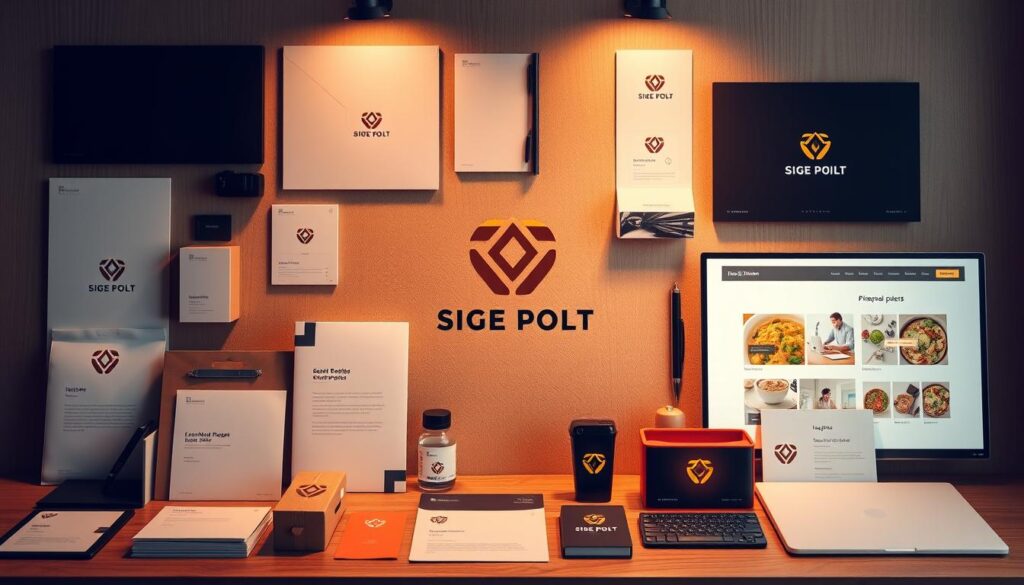 SMEs must build their corporate identities with strength and use them consistently across all communication channels. This bolsters customer loyalty and supports overall business performance.
 Each element strengthens the company’s market positioning and helps create a powerful brand image.
What is Corporate Identity?
Corporate identity is the synergy of visual elements that represent a company’s core values and mission. These elements demonstrate the company’s market standing and how it differentiates itself from rivals. As the “public face” of a business, corporate identity significantly influences the perception held by existing and potential customers.Definition and Significance
Corporate identity articulates who a company is and what it does. It encompasses the logo, color palette, typography, and various visual communication tools. Together, these elements grant the business a holistic visual presence. The importance of corporate identity stems from its ability to boost market credibility and recognition. A well-designed identity ensures a business appears professional and trustworthy.Key Components
The core components of corporate identity include the logo, color palette, typography, and both visual and written communication elements.- Logo: The visual emblem representing the company name or brand.
- Color Palette: The spectrum of colors reflecting the brand’s persona.
- Typography: The specific fonts and writing styles used in official communications.
These components form the corporate identity design, which empowers the business’s presence in the market.
The Necessity of Corporate Identity for SMEs
In today’s landscape, corporate identity is indispensable for SMEs. it facilitates customer trust and differentiation. It is the image the business presents to the external world. This image signals professionalism and reliability, which are key drivers of business success.Securing a Competitive Advantage
SMEs stand out in the market with a potent corporate identity. A refined identity distinguishes your business from competitors, achieved through elements like brand language and typography. For instance, your logo and color palette reflect your business values—elements that are paramount to success.
SMEs must build their corporate identities with strength and use them consistently across all communication channels. This bolsters customer loyalty and supports overall business performance.
Building Customer Trust
Customer trust is vital for business success. Corporate identity serves as a marker of your professionalism, thereby increasing consumer confidence. Furthermore, it increases employee commitment to company values. When employees take pride in being part of the organization, customer satisfaction naturally follows.Elements of Corporate Identity
A powerful corporate identity is constructed through logos, colors, and typography. These elements convey the business’s identity and values to the world.Logo Design
Logo design is the foundation of brand identity. An effective logo delivers the company’s message concisely. During the design phase, the industry, target audience, and core values must be prioritized.Color Palette and Typography
These are critical pillars of identity. Colors influence emotional perception, while typography defines the tone of written communication.| Color | Typography | Psychological Impact |
|---|---|---|
| Blue | Serif | Trust & Reliability |
| Red | Sans-serif | Energy & Passion |
| Green | Script | Nature & Growth |
Visual and Verbal Communication
Communication is the outward expression of identity. Visual elements include the logo and palette, while verbal communication determines the company’s tone and language.
Each element strengthens the company’s market positioning and helps create a powerful brand image.
Steps to Creating a Corporate Identity for SMEs
For SMEs, developing an identity involves a blend of strategic and creative steps designed to empower the brand.Research and Analysis
The first step is conducting in-depth research to understand your target audience, competitors, and market trends.- Identify the needs and expectations of your target audience.
- Analyze the identity strategies of your competitors.
- Monitor and evaluate current market trends.
Strategy Development
Based on your research findings, a strategy must be developed. This strategy should outline identity goals and the steps required to reach them.- Set clear corporate identity objectives.
- Define your brand message and core values.
- Plan your visual and verbal communication components.
The Design Phase
This is the stage where your identity becomes tangible. It involves crafting the logo, selecting the palette, and finalizing typography. The institutionalization process requires the participation of employees and stakeholders to ensure the identity is represented consistently across all channels.Corporate Identity and Brand Image
These two concepts define a business’s place in the market and how it interacts with its audience, ensuring long-term success.Forming a Brand Image
Brand image is the sum of perceptions about a brand. These perceptions depend on identity, product quality, customer service, and marketing. To build a strong image, businesses must present a consistent identity everywhere. Image is shaped by values and mission. By articulating these clearly and applying them consistently, businesses can cultivate the desired brand image.Difference Between Identity and Image
**Corporate Identity** is how a business presents itself and how it *wants* to be perceived. **Brand Image** is how the target audience *actually* perceives the business. In short: Identity is self-definition; Image is public reflection. While a business can influence its image through a consistent identity, external factors also play a role in how that image is formed.Corporate Identity Management
Management ensures that a company’s identity remains current and consistent, allowing it to stand out in a competitive environment.Continuity and Modernity
The most important element of management is continuity. Businesses must update their identities while maintaining consistency across all channels.- Maintain a consistent visual identity.
- Update communication strategies periodically.
- Continuously improve the customer experience.
Communication and Employee Engagement
Effective identity management requires active participation from employees. Educating staff on company values contributes directly to the brand’s success.Corporate Identity in the Digital World
Representing your identity digitally is key to staying competitive. Today, a strong digital presence goes beyond just having a website; it requires a cohesive identity. Digital identity is shaped by the consistent use of logos, colors, and typography across platforms, ensuring the business looks professional and reliable online.Social Media Utilization
Social media is a powerful tool for broadcasting your identity. Profiles and posts should be optimized to reinforce the brand.- Use logos and colors consistently across all social profiles.
- Ensure the language and tone of posts align with your identity.
- Maintain a professional approach in customer interactions.
Website Design and Content
Your website is the hub of your digital existence. The design should integrate your visual identity elements, while the content strategy should reflect your mission.- Update design to reflect your corporate identity.
- Shape content strategy around your mission and values.
- Prioritize user experience (UX) to enhance functionality.
Measuring Corporate Identity
Measurement indicates success in reaching strategic goals and evaluates the effectiveness of identity strategies.Performance Indicators
Indicators such as brand awareness, customer loyalty, and employee satisfaction reveal how well the identity is performing.| KPI | Description | Method |
|---|---|---|
| Brand Awareness | Recognition by the target audience | Surveys |
| Customer Loyalty | Affinity and retention rates | Customer Reviews |
| Employee Satisfaction | Staff contentment and alignment | Internal Polls |
Customer Feedback
Feedback identifies strengths and weaknesses. Methods like surveys and social media monitoring allow businesses to make continuous improvements to their identity strategies.Corporate Identity and Sustainability
Long-term success depends on merging identity with sustainability. This involves environmental and social responsibilities.Environmental Responsibility
By reducing environmental impacts, businesses contribute to both the planet and their brand identity.- Energy efficiency projects.
- Waste reduction programs.
- Sustainable supply chain management.
Social Responsibility
Social responsibility strengthens interaction with society. Gaining community trust through supported projects and diversity programs positively impacts the brand identity.Legal Dimensions of Corporate Identity
When creating an identity, copyright and trademarking are essential to protect creative elements like logos and slogans.Copyright and Trademarking
Trademarking provides legal protection for your name and logo, preventing competitors from using similar marks and avoiding consumer confusion.Legal Regulations
Businesses must comply with laws regarding advertising, data protection, and intellectual property.| Regulation | Description | Impact on Identity |
|---|---|---|
| Intellectual Property | Protection of logos and slogans | Secures copyrights |
| Data Protection (GDPR/KVKK) | Security of personal data | Ensures customer trust |
| Advertising Standards | Honest and lawful advertising | Legal compliance of strategy |
Customer Experience and Identity
Experience design makes your identity tangible, building strong bonds with customers. It shows how the business lives out its identity in real-world interactions.Importance of Experience Design
UX design improves every interaction between the business and the customer, increasing satisfaction and building a loyal base.Corporate Identity and Innovation
Innovation allows businesses to stand out. By renewing their identity, businesses can secure a competitive edge and reach younger demographics with modern designs.Communication Strategies
Effective identity requires merging internal and external communication strategies to ensure all stakeholders are aligned.Internal and External Communication
Internal communication (workshops, newsletters) ensures employees identify with the company. External communication (social media, PR) shapes how the brand is perceived by the public.Tips for SMEs Developing a Corporate Identity
SMEs can build a strong identity even with limited budgets by using creative strategies and professional outsourcing to access expert designers and consultants.Frequently Asked Questions
What is corporate identity?
It is the collection of visual and verbal elements that reflect a company’s values and mission.
Why is corporate identity important?
It defines a business’s market position and helps it differentiate from competitors.
What should be considered in corporate identity design?
It should focus on logos, color palettes, typography, and visual consistency.
Why do SMEs need a corporate identity?
To gain a stronger market standing and stand out against larger competitors.
How does identity differ from brand image?
Identity is how the company presents itself; Image is how the audience perceives it.