LinkedIn holds a pivotal place in the business world. It is a fantastic platform for building professional networks and discovering new business opportunities. With the right strategies, you can stand out and acquire new clients.
To succeed on LinkedIn, building a strong **personal brand** is essential. Completing your professional profile, sharing high-value content, and engaging with other users are the critical steps in this journey.
Lead generation strategies are equally important on this platform. Joining relevant groups, providing valuable insights, and communicating with potential clients can significantly scale your business.
Defining Your Personal Brand
Your personal brand strengthens your professional identity and your presence on LinkedIn. This process begins with reflecting on your professional values, skills, and long-term goals.
Why is a Personal Brand Important?
A personal brand helps you get noticed and expand your professional network on LinkedIn. A robust personal brand can establish you as a thought leader in your industry, allowing you to connect more effectively with potential clients.
Building a personal brand helps you articulate your professional identity clearly, reinforcing your overall presence on the platform.
Identifying Personal Brand Elements
When defining your personal brand, several key elements come into play:
- Your professional values and mission
- Your skills and areas of expertise
- Your target audience and their specific needs
- The message you want to convey and the impression you wish to leave
Identifying these elements allows you to define your personal brand with clarity and represent yourself effectively on LinkedIn.
Optimizing Your LinkedIn Profile
Optimizing your LinkedIn profile is the first step toward strengthening your personal brand. This ensures you grab attention within your professional circle and makes it easier to reach the right audience.
The Importance of a Profile Photo
Your profile photo creates your first impression on LinkedIn. Therefore, it is crucial to use a high-quality, professional headshot.
- Your face should be clear and prominent.
- The background should be simple and free of distractions.
- Maintaining a smile and a professional posture is key.
Headline and About Section
The headline and ‘About’ sections are critical areas for introducing your professional identity. Your headline should clearly state your profession and expertise.
| Section |
Description |
Recommendations |
| Headline |
Defines your role and expertise. |
Should be clear, concise, and include relevant keywords. |
| About (Summary) |
Summarizes your professional background and skills. |
Should be detailed, transparent, and easy to read. |
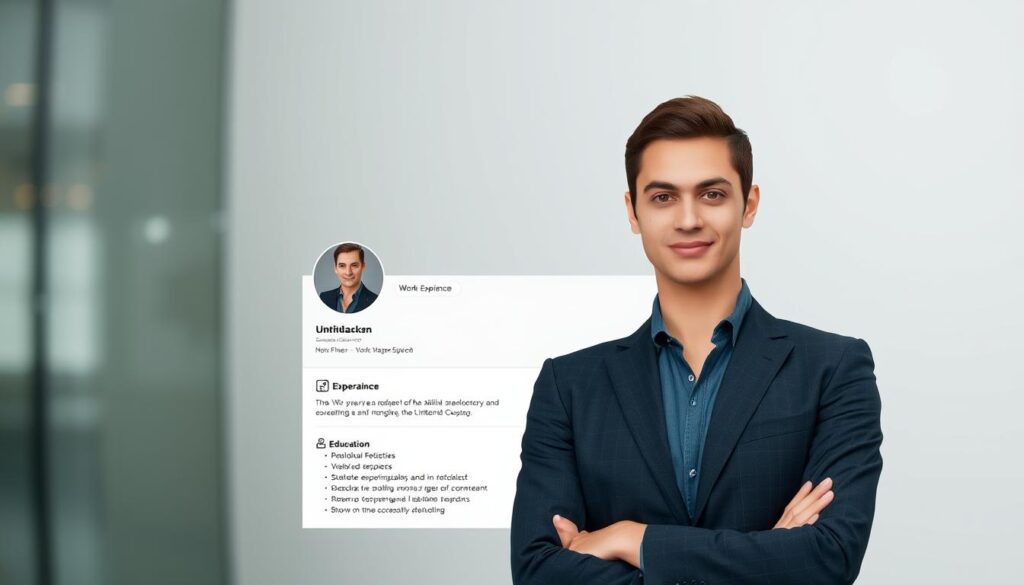
A professional appearance across your photo, headline, and summary is vital for credibility.
Content Sharing Strategies
The first step for an effective LinkedIn strategy is defining your target audience. Knowing your audience will shape your content and posting schedule.
Identify Your Target Audience
To identify your audience, research potential clients and connections within your industry. LinkedIn’s built-in tools can help you understand your audience’s interests and needs.
- Conduct audience analysis
- Review relevant trending content
- Evaluate feedback from your network
Share Valuable Content
To gain visibility and engagement on LinkedIn, sharing high-value content is essential. The content you post must be high-quality and engaging.

- Choose relevant and timely topics
- Incorporate visual content
- Encourage engagement and dialogue
Timing is also crucial. Regular and consistent posting ensures your audience stays continuously engaged with your brand.
Expanding Your Network
Expanding your network on LinkedIn propels your career forward. It is a critical step for discovering new opportunities and collaborations.
Ways to Build Connections
Networking is the foundation of growth. There are various methods to meet and connect with professionals in relevant sectors.
- Attend industry events and conferences.
- Attract attention and interact through your shared content.
- Gain new connections through mutual acquaintances.
Join Active Groups
LinkedIn groups are where professionals with similar interests gather. By joining these, you can expand your network and stay updated on industry developments.
To participate effectively:
- Find popular groups in your industry.
- Follow group rules and share valuable insights.
- Strengthen relationships by interacting with other group members.
Engagement and Collaboration
Engaging and collaborating on LinkedIn strengthens your professional image and can reveal new opportunities.
Commenting and Providing Feedback
Commenting on posts increases your engagement levels. Your comments should be valuable and constructive to attract the right attention.
Collaborating with Other Users
Partnering with other professionals can amplify your presence. Developing joint projects or exchanging ideas with users who share similar interests expands your reach.
| Collaboration Type |
Description |
Benefits |
| Joint Projects |
Working with professionals on shared interests |
Expands network, creates new leads |
| Idea Exchange |
Sharing thoughts and experiences with peers |
Gain new perspectives, aids professional growth |
Content Planning
Effective content planning is required to stand out. It helps maintain your presence and consistent interaction with your audience.
Post Regularly
Regular posting provides higher visibility. Prepare a content calendar to retain your followers.
- Determine a daily, weekly, or monthly posting frequency.
- Plan using a content calendar.
- Optimize your posting times.
Produce Diverse Content Formats
Mixing text, visuals, and video allows you to reach a wider audience and keeps your feed interesting.
Developing Your Expertise
Continuously improving yourself is vital to staying ahead on LinkedIn.
Online Training and Certifications
Add certifications from platforms like Coursera, Udemy, or LinkedIn Learning to your profile to prove your expertise.
Reading Industry Articles
Follow current industry news to ensure you never miss a development and to provide informed insights in your own posts.
Sharing Perspectives
Sharing your views is essential for earning respect and becoming a thought leader.
Write Industry Articles
Use LinkedIn’s article feature to highlight your expertise, covering industry trends and best practices.
Interacting with Thought Leaders
Engage with leaders in your field by commenting on their posts or collaborating on joint content to build your own reputation.
Understanding the LinkedIn Algorithm
The algorithm determines what users see. Understanding it is key to higher visibility.
How the Algorithm Works
The algorithm ranks content based on factors like previous interactions and the time of posting.
Influencing the Algorithm via Engagement
Likes, comments, and shares are the most important factors. Responding to comments on your own posts further boosts your reach.
Feedback and Analysis
Measuring your performance is essential for long-term success.
Measuring Profile Performance
Track metrics such as profile views, post engagement rates, and connection requests using LinkedIn’s analytics tools.
| Metric |
Description |
Example Value |
| Profile Views |
Number of people who viewed your profile |
250 |
| Post Likes |
Total likes on your posts |
120 |
| Comments |
Number of comments on your posts |
20 |
Acquiring Revenue through Personal Branding
A strong personal brand opens doors to various revenue streams on LinkedIn.
Product and Service Promotion
Join relevant groups and share informative content with visuals to educate potential customers about your offerings.
Consulting Opportunities
Leverage your strong connections to offer consulting services within your sector by highlighting your specialized expertise.
Following LinkedIn Trends
Staying updated with trends helps you adapt to industry changes and expand your professional reach.
Monitoring Industry Developments
Follow industry-specific tags, join discussion-heavy groups, and follow key influencers to stay informed.
Conclusion: The Importance of Personal Branding
A strong personal brand distinguishes you and your services from the competition, facilitating career advancement and network growth.
The Future of Personal Branding
Personal branding strategies will become even more vital in the future. Continuous development and trend-spotting will provide a significant competitive advantage.
Frequently Asked Questions
How do I build a personal brand on LinkedIn?
Optimize your profile, share high-value content consistently, and actively expand your professional network.
How can I optimize my LinkedIn profile?
Use a high-quality professional photo, a keyword-rich headline, and a detailed ‘About’ section that reflects your skills.
How do I gain clients on LinkedIn?
Define your target audience, share valuable insights, and engage directly with potential leads through comments and messaging.
How does the LinkedIn algorithm work?
It prioritizes content based on engagement levels (likes, comments, shares). High-quality, interactive content is more likely to be seen.